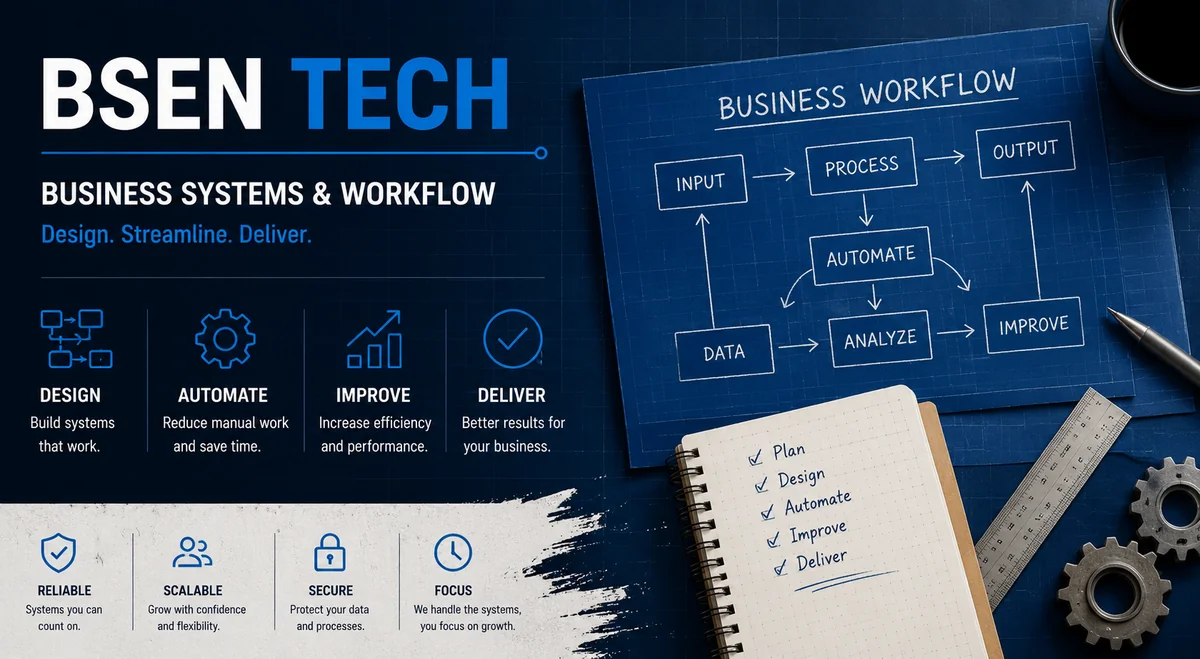
Building a Simple Annual Review Workflow for Key Accounts
When it comes to managing key accounts, having a well-structured annual review workflow is essential for ensuring that client relationships are nurtured and business goals are met. By establishing clear performance metrics and targets, you can set the stage for productive discussions and strategic planning with your most valuable clients. To begin building an effective annual review workflow, it's crucial to identify key performance indicators (KPIs) that accurately reflect a client's success and align with their business objectives. This may include metrics such as sales growth, customer satisfaction ratings, or specific project milestones. Reviewing KPIs from the past year will provide valuable insights into areas of strength and weakness, enabling you to tailor your approach for the upcoming review period. Consider gathering data on a regular basis
Step 2: Set Up a Review Template in Your CRM
To set up a review template in your CRM, start by identifying the essential information you need to capture from each key account review, such as their performance metrics, goals and objectives, and any areas for improvement. Next, create a new report or template within your CRM that includes these key fields, using clear and concise labels to ensure ease of use. You can then tailor this template to fit the specific needs of your business by adding or removing sections as required. By having a standardised template in place, you'll be able to streamline the review process and ensure consistency across all key accounts. This will also provide valuable insights into the performance of your key customers.
Step 3: Schedule and Assign Reviews to Team Members
Once you have identified the team members responsible for managing your key accounts, it's time to schedule and assign reviews to ensure that all necessary discussions take place. Consider implementing a regular review cycle, such as quarterly or bi-annually, to keep the momentum going throughout the year. Next, allocate specific team members to oversee each account, taking into account their strengths, expertise, and existing workload. This will enable efficient distribution of tasks and allow each team member to focus on the key accounts that require their attention. By doing so, you'll be able to maintain a consistent and effective review process for your most valuable clients.
Step 4: Conduct Annual Reviews and Collect Feedback
- Schedule regular meetings with your account managers to discuss customer feedback and progress against agreed-upon objectives.
- Create a template for collecting customer feedback, including open-ended questions that allow customers to provide in-depth comments on their satisfaction levels.
- Set up an online portal or survey tool where customers can submit anonymous feedback forms at their convenience.
- Use the collected feedback to identify areas of improvement and develop action plans with your account managers to implement changes.
- Review the feedback and progress against agreed-upon objectives annually, making any necessary adjustments to the review process.
Example Workflow: Microsoft Dynamics 365 Sales
A sales manager at a small software company uses Microsoft Dynamics 365 Sales to manage its key accounts. When it's time for the annual review, the sales manager creates a new opportunity in Dynamics 365 and sets a deadline for completion. They then assign tasks to their team members, such as gathering customer feedback and assessing current usage, via email invitations or by using the 'Tasks' feature within the application. As each task is completed, the sales manager updates the corresponding activity record and reviews progress. The final review document is exported from Dynamics 365 and sent to the customer for signature, providing a digital and paper trail of the annual review process.
Frequently Asked Questions
What is the purpose of annual reviews for key accounts?
The primary objective of annual reviews for key accounts is to assess the performance and progress of these strategic clients, identify areas for improvement, and set goals for future growth and development.
How can I ensure consistency in my review process?
To maintain consistency in the review process, establish a standardised framework and procedures, and ensure all team members involved are trained on these processes. This can be achieved through regular training sessions, documented guidelines, and a clear understanding of roles and responsibilities.
What should smaller teams watch out for?
Smaller teams should focus on maintaining flexibility within their review process, as they may not have the same level of resources or bandwidth as larger organisations.
As you navigate BSEN Tech's practical guides on CRM systems and workflow tools, remember to regularly review your business processes to ensure they remain adaptable to your team's evolving needs. — Editor, BSEN Tech