Choosing the Right CRM with Automation for Small Teams
When selecting a Customer Relationship Management (CRM) system for a small team, it's essential to assess their unique needs and requirements to determine the optimal level of automation. By understanding your team's workflow, communication habits, and sales processes, you can identify areas where automation can enhance efficiency and productivity. To start assessing your team's needs, consider how many users will be accessing the CRM system on a daily basis and what types of data they'll be handling. You should also think about the frequency of interactions with customers and prospects, as well as any existing sales processes or workflows that need to be integrated. Next, evaluate the level of customisation required, including any bespoke fields or reporting needs that may not be covered by standard features. Additionally, consider your
Assess Your Team's Needs
Evaluate Your Workflow
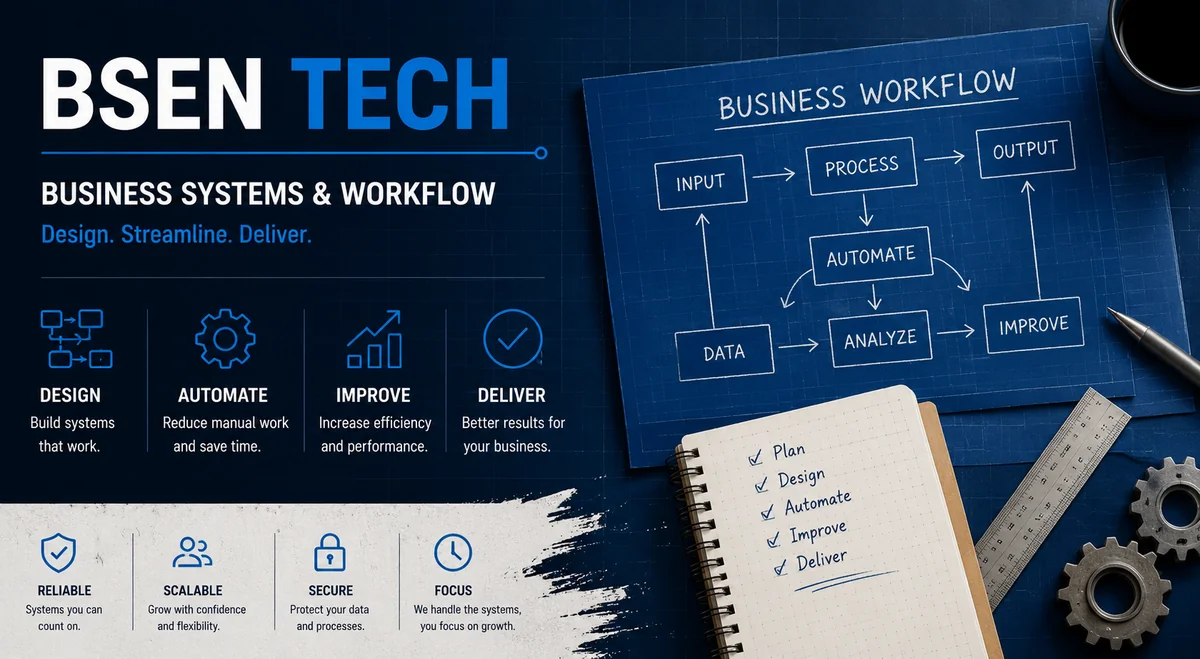
When evaluating your workflow, it's essential to consider the tasks and processes that are currently time-consuming or manual. Identify areas where automation can streamline efficiency, such as data entry, follow-up communications, or sales lead management. Next, assess the level of integration required with other tools and systems you're already using, ensuring seamless data transfer and minimal duplication of effort. By mapping out your workflow and pinpointing opportunities for automation, you'll be better equipped to determine the right balance of manual and automated processes for your small team. This will help you choose a CRM that meets your specific needs and optimises productivity.
Consider Your Goals and Objectives
When selecting a CRM that meets your team's needs, it's essential to consider your goals and objectives. What do you want to achieve through the use of customer relationship management software? Are you looking to streamline sales processes, improve customer engagement, or enhance data analysis capabilities? By aligning your chosen CRM with your specific goals, you can ensure that automation features are tailored to support your team's workflow and productivity requirements. This will enable you to maximise the benefits of a well-implemented CRM system and get the most out of its automated functions.
Step 1: Identify the Key Features of a CRM System
- Research online reviews and ask colleagues or industry peers about their experiences with different CRM systems to identify key features that suit your team's needs.
- Make a list of the specific tasks and processes you want the CRM system to automate, such as data entry or lead follow-up.
- Consider the scalability and flexibility required for future growth, ensuring the chosen CRM can adapt to changing business needs.
- Evaluate the user interface and mobile accessibility of potential CRMs to ensure they are intuitive and usable by all team members.
- Assess the integration capabilities of each CRM system with other tools you already use, such as email marketing software or accounting packages.
Worked Example: Selecting a CRM for a Small Sales Team
Emily runs a small sales team that deals with clients from various industries, and she's just started using a new CRM system. She has 20 active contacts, mostly small business owners, and needs to manage their interactions and follow-ups. Emily wants to automate some of the repetitive tasks, such as sending reminders for upcoming meetings and birthdays, but also values being able to add her own notes and custom fields as needed. She's considering a CRM that offers basic automation features, such as automated emails and calendar integration, without overly complex workflows or advanced analytics. For now, Emily needs something simple yet effective to streamline her sales process.
Implementing Automation within Your CRM System
Emily's new CRM system allows her to automate tasks such as sending reminders for follow-up interactions with potential clients. She also uses it to schedule meetings and appointments, ensuring that she never misses an opportunity to meet with a key contact. By automating these repetitive tasks, Emily can focus more on high-value activities like building relationships and closing deals. Additionally, the CRM system's automation features enable her to track the progress of multiple leads and contacts in one place, providing valuable insights into her sales pipeline.
Frequently Asked Questions
How do I determine if my small team needs automation in our CRM?
To determine if your small team needs automation in your CRM, consider whether you spend more than 50% of your time on repetitive tasks such as data entry or follow-up emails. If so, automating these tasks can help free up time for more strategic activities.
What are some common automation features to look for in a CRM?
When evaluating a CRM's automation features, look for tools that allow you to automate routine tasks, such as sending welcome emails or tracking follow-ups based on customer interactions. You should also consider the ability to create custom workflows and scenarios tailored to your business needs.
How can I ensure that the CRM system I choose is user-friendly and easy to
To ensure your chosen CRM is user-friendly and easy to use, evaluate its intuitive interface, clear documentation, and responsive support team. Additionally, look for features that allow you to customize layouts and settings to suit your team's workflow and