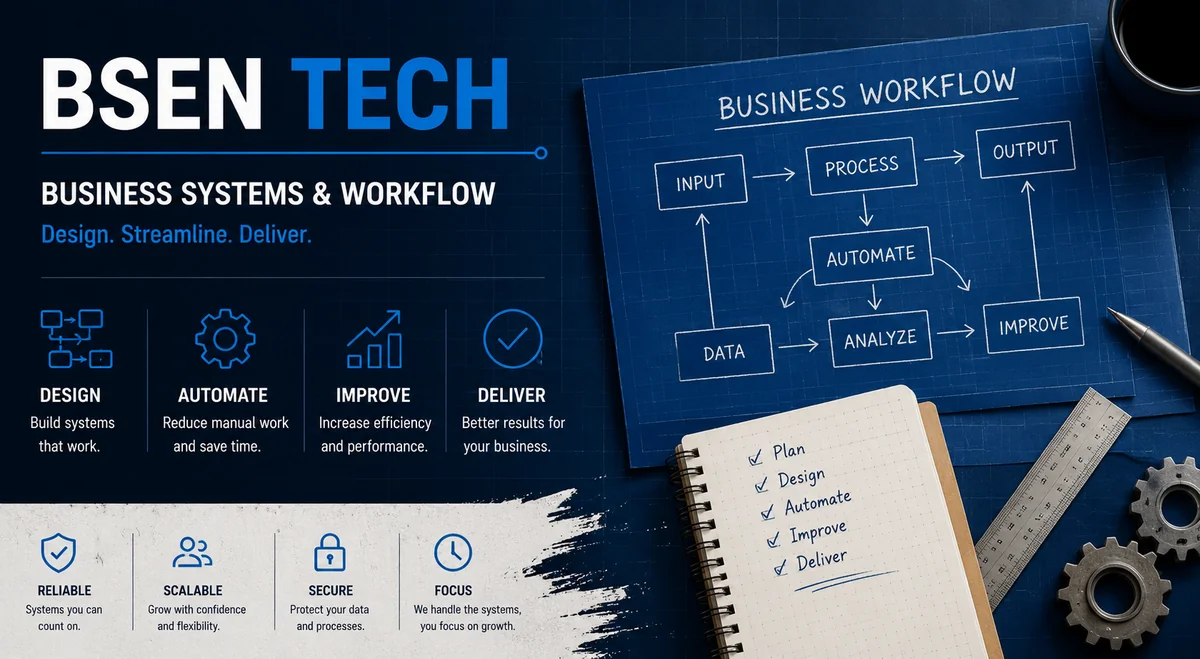
A contract renewal date is predictable, yet it often becomes an emergency because the information is buried in a document or somebody's calendar. By the time the team notices, there may be little space to review performance, discuss changes or make a deliberate commercial decision. A simple renewal-notification workflow turns the date into a planned sequence of ownership and review rather than another last-minute reminder.
Identify the date that actually matters
Contracts can contain several relevant dates: expiry, notice deadlines, review points or other contractual events. Record the information needed for the organisation's process and retain a link to the authoritative agreement.
Do not let a convenient CRM field become a substitute for the contract itself. Where interpretation is uncertain, a person with appropriate authority should confirm the trigger.
Assign responsibility when the contract is recorded
The workflow should know who owns the commercial or operational relationship before renewal approaches. Waiting until a notification fires simply moves the ownership question to a more urgent moment.
Define how ownership changes when employees move roles or accounts transfer. Renewal dates should not remain attached to inactive users.
Use staged notifications for different decisions
The first useful prompt may be an internal review rather than immediate customer contact. The owner may need to assess service history, current requirements, open issues and whether the existing arrangement still makes sense.
Later notifications can support agreed customer communication or internal approval. Keep each alert connected to an action rather than sending repeated reminders that say only that a date is approaching.
Bring operational context into the review
A renewal decision should not be made from the contract date alone. Surface relevant service issues, usage or delivery context where those records are available and appropriate.
Automation can assemble information, but it should not decide whether a relationship is commercially or operationally healthy. That remains a human judgement.
Distinguish renewal, amendment and termination
The workflow should allow for more than a binary renewed/not-renewed result. The parties may change scope, replace an agreement, extend temporarily or decide to end the relationship.
Preserve the outcome and supporting record so future teams can understand why the contract state changed rather than seeing only an edited expiry date.
Control external notifications carefully
Customer or supplier communications should reflect the actual agreement and the organisation's approved process. Do not generate definitive contractual statements from incomplete structured data.
Where wording or timing carries legal or commercial significance, keep human review in the route. Workflow can ensure the task appears on time without taking authority away from the responsible person.
Update downstream systems after the decision
A renewal can affect billing, service access, purchasing, account management or other operational records. Identify which systems need the confirmed outcome and who owns any action that cannot be automated safely.
This prevents the contract register showing one state while day-to-day systems continue operating on another.
Monitor missing and unreliable renewal data
A notification process is only as good as its source records. Make contracts with missing owners, unclear dates or absent documents visible for correction.
Periodic review of these exceptions is more valuable than assuming every silence means there is nothing due.
Build a renewal process rather than a calendar alert
Servadra can help map contract information across document, CRM, finance and operational systems, establish dependable triggers and connect renewal decisions to the teams that need to act. The solution can remain lightweight while still preserving source evidence and human authority.
The result should be simple to explain: the right person sees the right contract early enough to review it, makes a deliberate decision and ensures that decision reaches every system and colleague affected by it.